Prepared by the New Avalon Institute of Science
Characteristics
Sayama IV is the fourth satellite of the gas giant Sayama, a pink-orange Type 1. IV’s orbital period is 98.3 hours, making day and night each just over two Earth days.
Sayama’s orbital period is 84.29 standard years, and its orbit is fairly eccentric. The entire moon experiences deep winter for decades at a time, followed by a violent spring thaw and a short, pleasant summer. The climate is cool, but within Goldilocks parameters for much of the year.
Sayama IV is a rocky body with a thin biosphere and a glazing of snowcover and glaciers. The tidal forces of Sayama flex the crust, pumping magma to the surface. This makes the moon highly volcanically active, and the scars of old eruptions – rift valleys and large igneous provinces – are defining features of the landscape.
Finally, for approximately 19 hours out of every orbital period, IV is eclipsed by Sayama. During this period, the moon passes into the plume of Sayama’s magnetic field, disrupting all unshielded communications.
Economy
Sayama IV’s main economic activity is mining; the volcanoes bring rare minerals to the surface, which can be extracted from lava flows or mined in old igneous rocks. The ores were once processed planetside to remove waste weight for the trip upwell, but about 60 years ago IV lost the capacity to maintain those foundries, virtually destroying the profit margins in mineral exports.
The planet also experiences a rush of agricultural activity every summer; the staple food source is edited metaparsnips, which can survive and continue to grow long into the winter but must be planted and allowed to mature during the summer. A metaparsnip goes to seed after 20 standard months, after which the surface portion of the plant is ejected (giving rise to a festival of “Jumping Week”) and the root develops its characteristic hydrated starch nodules.
The moon has one major spaceport with an aerodyne hangar and concourse. A set of landing pads is available behind the walls of Castle Caliburn, and intelligence indicates three to six private aerospace strips scattered on wealthy estates.
There is no global power grid, but most settlements are connected to a network of buried telecom wires that can withstand the magnetic disruptions. The moon has a small HPG station and about a dozen Comstar personnel.
Culture
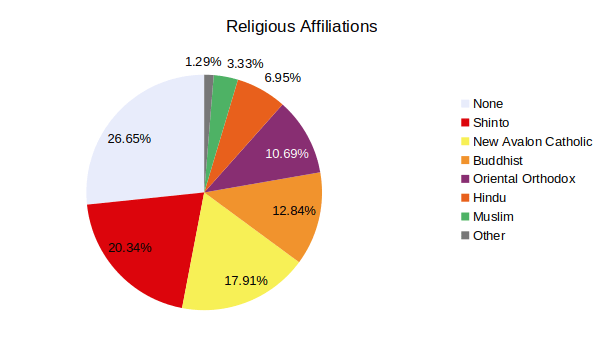
The Sayama system was colonized by Combine partisans in 2593. Though it remained beneath the Kurita flag, Sayama fell into the sphere of influence of the Outworlds Alliance during the reign of Rodrigo Avellar; this Pax Avellarica left a profound impression on the local culture.
Sayama was the site of a POW camp during the Amaris Civil War. The prisoners dug the Great Caliburn Mine, which was converted to Castle Caliburn just before the Exodus.
At its height, Sayama boasted its own shipyard at L4.
House Davion liberated Sayama in 2860, nicknaming it “the doorstep to Galdeon”. During the fighting, Sayama Shipyard was destroyed by a tactical nuclear weapon.
The Outworlds Alliance captured Sayama for itself in 2947.
One month ago, in December 3024, the Combine’s Fifth Sword of Light attacked and occupied Sayama. To prevent the system’s use as an invasion corridor, the AFFS’ 17th Avalon Hussars swept the Fifth from the system. After a two-week administrative period, the flag of the Federated Suns was again raised over the Diet Building.
Major holidays include Avellar Day (January 6), Easter (April, date varies), Tanabata (August, date varies), the Coordinator’s birthday (currently August 18, proscribed), Colonyship Day (October 29), and Inspiration Day (last Saturday in November).
Conclusions
Sayama IV retains a wealth of natural resources and low-cost labor. The planet is ripe for redevelopment and eventual trade.
The system offers strategic opportunities to influence the Outworlds Alliance, potentially serving as a stop on a travel route that passes through Outworld space to bypass the Kurita border worlds.
NAIS rates Sayama IV as “Provisionally Safe” for business and “Travel Advisory” for tourism.
